Urban Beekeeping: Tips for Starting a Hive and Collecting Honey on a .33 Acre Lot in a Neighborhood
Urban beekeeping is gaining popularity as more people realize the importance of bees in our ecosystem and the benefits of having a
beehive in their own backyard. If you're considering starting a hive and collecting honey on your .33 acre lot in a neighborhood, this blog post is for you! We'll address some common concerns and provide tips and advice to help you get started.
Waiting for Fruits and Flowers
One of the concerns many urban beekeepers have is whether there will be enough food for their bees. While it's true that bees rely on flowers for nectar and pollen, urban areas often offer a surprising variety of plant life. Even in a small lot, you can create a bee-friendly environment by planting a diverse range of flowering plants.
Consider planting flowers that bloom at different times throughout the year to ensure a steady supply of food for your bees. Some popular choices include lavender, sunflowers, marigolds, and wildflowers. Additionally, fruit trees such as apple, peach, or cherry can provide a valuable food source for your bees when they are in bloom.
Water Sources for Bees
Bees need access to water, especially during hot summer months, to cool their hives and dilute honey. Providing a water source near your hive is essential. However, it's important to do so in a way that doesn't become a nuisance or safety hazard for your neighbors.
Consider setting up a small water feature, such as a birdbath or shallow dish, filled with fresh water. Adding rocks or floating objects can provide landing spots for bees to safely drink without the risk of drowning. Keep the water source clean and change it regularly to prevent mosquito breeding.
Keeping Kids Safe
If you have children or there are kids in your neighborhood, safety is a top priority. Bees are generally docile if left undisturbed, but it's important to educate both children and adults about bee behavior and how to act around them.
Teach children to remain calm and avoid swatting or running away from bees. Encourage them to observe bees from a safe distance and appreciate their role in nature. It's also a good idea to place your
beehive in a less frequented area, away from play areas or high-traffic zones.
Choosing the Right Hive
When it comes to selecting a
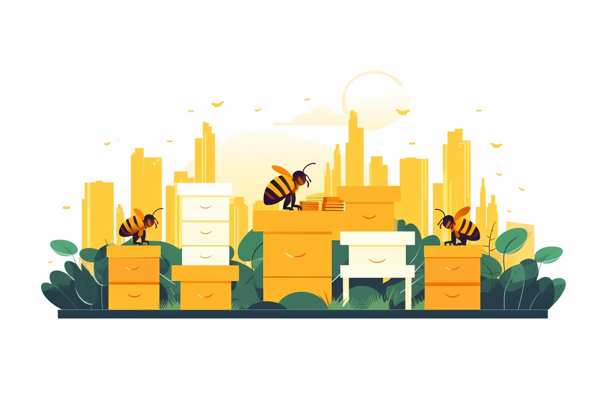
beehive, there are several options available. The most common types for urban beekeeping are Langstroth hives and top-bar hives. Langstroth hives consist of stacked boxes with removable frames, while top-bar hives have bars where bees build their comb.
Consider the space available on your lot and your personal preference when choosing a hive. Langstroth hives are more traditional and widely used, making it easier to find resources and support from the beekeeping community. On the other hand, top-bar hives offer a more natural approach and are often favored by those interested in organic beekeeping.
Local Regulations and Beekeeping Associations
Before starting your urban beekeeping journey, it's crucial to familiarize yourself with any local regulations or restrictions regarding beekeeping in your area. Some cities may have specific rules on hive placement, hive density, or even beekeeping permits.
Reach out to local beekeeping associations or clubs for guidance and support. These organizations can provide valuable resources, mentorship, and even hands-on training to help you succeed in your beekeeping venture. Networking with experienced beekeepers will also give you the opportunity to learn from their successes and challenges.
Conclusion
Urban beekeeping is an exciting and rewarding hobby that allows you to contribute to the well-being of bees while enjoying the benefits of fresh, local honey. By creating a bee-friendly environment, providing water sources, ensuring safety, and choosing the right hive, you can successfully start a hive and collect honey on your .33 acre lot in a neighborhood.
Remember, beekeeping requires patience and continuous learning. Be prepared to adapt and troubleshoot as you embark on this journey. With proper care and attention, you'll be rewarded with not only delicious honey but also a deeper understanding and appreciation for the fascinating world of bees.


Harmph - October 03, 2023
Great post! Super helpful for us city dwellers trying to squeeze in some beekeeping. Can't wait to get started on my own little honey operation. Thanks for the tips!
BITB - October 02, 2023
Great post! Really helpful tips for urban beekeeping on a small lot. Can't wait to try it out!
Ballwax - October 01, 2023
Great tips! I've always wanted to start beekeeping but didn't think it was possible in my small lot. This gave me hope! Thanks!
bishchecknocknock586 - September 30, 2023
OMG, this post is amazing! I've always wanted to start beekeeping but thought it was impossible in my tiny yard. I can't wait to try these tips and have my own honey. Thank you so much for sharing! 😊
eDuh - September 29, 2023
Great post! I've always been interested in beekeeping but thought it was only for rural areas. This gives me hope that I can start my own hive in my small city lot. Thanks for the tips!
Pulling_the_goalie - September 28, 2023
Thx 4 sharing! I've always wanted 2 start a bee hive but thought u needed a big yard. Now I know it's possible even in a small space. Gonna give it a try! 🐝