Urban Beekeeping: The Ultimate Guide to Designing a Bee-Friendly Terraced House and Choosing the Perfect Location for Your Bees
Bees have long been recognized as vital contributors to our ecosystem, playing a crucial role in pollination and ensuring the growth of various plant species. With the rise in urbanization, the concept of urban beekeeping has gained popularity as a way to support bee populations and enjoy the benefits of honey production in urban areas.If you're considering embarking on the journey of urban beekeeping, you may have wondered about the best way to design a bee-friendly terraced house and choose the perfect location for your bees. In this comprehensive guide, we'll explore various aspects of urban beekeeping, from designing your terraced house to selecting the ideal location for your buzzing companions.Designing a Bee-Friendly Terraced House
1. Rooftop or Garden: Where's the Best Place for Beekeeping in the City?
When it comes to urban beekeeping, one of the first decisions you need to make is whether to keep your bees on the rooftop or in your garden. Both options have their advantages and considerations.
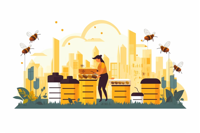
Rooftop Beekeeping: Imagine the scenic view of your rooftop adorned with beehives, buzzing with activity as your bees diligently go about their pollination duties. Rooftop beekeeping offers several benefits. Bees can enjoy a diverse range of flowering plants in urban areas, where gardens may be limited. Additionally, by placing hives on rooftops, you can minimize the risk of human interference.
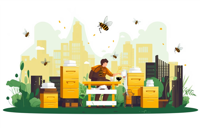
Garden Beekeeping: On the other hand, having a garden for your bees allows them to forage from a wider variety of plants, including trees and shrubs. Gardens can provide a more natural environment, with a greater diversity of food sources for your bees. However, it's important to consider the potential proximity to neighbors and whether they'll be comfortable with bees in close proximity.
2. Processing Honey Inside the Building: Finding the Right Space
Processing honey is an essential part of beekeeping, and finding the right space inside your terraced house can make the process more convenient. Consider the following factors:
Accessibility: Is the space easily accessible, allowing you to transport honey supers and other equipment without difficulty? A ground floor location or a room with a wide entrance can greatly simplify the process.
Ventilation: Processing honey produces heat and moisture. Ensure the space you choose has adequate ventilation to allow for proper airflow and prevent the buildup of excess moisture.
Storage Capacity: Honey needs proper storage to maintain its quality. Make sure the space you choose has enough room to store your honey jars and other beekeeping equipment.
3. Equipment Requirements: How Much Do You Need?
Beekeeping requires some essential equipment to ensure the well-being of your bees and facilitate honey production. While the specific requirements may vary depending on your beekeeping goals, here are a few key items you'll likely need:
Beehive: Choose a
beehive that suits your needs and preferences. Common options include Langstroth hives, top bar hives, and Warré hives. Research each type to find the one that aligns with your beekeeping goals.
Protective Gear: Proper protective gear, such as a beekeeping suit, gloves, and a veil, is crucial to ensure your safety while working with bees. It's important to invest in high-quality gear to minimize the risk of bee stings.
Smoker: A smoker helps calm the bees during hive inspections by emitting cool smoke. This tool is essential for minimizing disruptions and making the beekeeping process more manageable.
Hive Tool: A hive tool is a versatile instrument used for various tasks, including prying apart hive components, scraping off excess propolis, and lifting frames. It's a must-have tool for any beekeeper.
Bee-Specific Residencies: Real-Life Examples
To inspire your imagination and provide you with some real-life examples, here are a few bee-specific residencies that have been designed with urban beekeeping in mind:
- The Pollinator's Paradise: Located in the heart of the city, this terraced house features a rooftop oasis dedicated to beekeeping. With a well-designed rooftop garden, the bees enjoy a diverse range of plants while providing a visual feast for the residents.
- The Garden Haven: Nestled in a quiet neighborhood, this terraced house boasts a flourishing garden with carefully chosen bee-friendly plants. The garden provides a haven for bees, ensuring a bountiful harvest of honey for the beekeeper.
- The Hive Hideaway: This innovative terraced house incorporates a dedicated processing room on the ground floor. Equipped with state-of-the-art honey extraction equipment and storage facilities, the beekeeper can efficiently process honey while minimizing disruption to the bees.
Conclusion
Urban beekeeping offers a rewarding and sustainable way to support bee populations and enjoy the benefits of honey production. By designing a bee-friendly terraced house and selecting the perfect location for your bees, you can create an environment that fosters their well-being and productivity.
Whether you choose to keep your bees on the rooftop or in a garden, ensure you have a suitable space for processing honey inside your building, and acquire the necessary equipment for successful beekeeping. With careful planning and consideration, you can embark on a fulfilling journey as an urban beekeeper, making a positive impact on the environment and enjoying the fruits of your buzzing companions' labor.



ukiddinme? - October 03, 2023
"I truely disapointed with this post. Its soooo boring and doesnt gave any useful tips. I was hoping for a guide on how to make my terraced house bee-friendly but didnt get any new ideas. Waste of time! 😒"
cinesnob8 - October 02, 2023
Wow, this guide is incredible! I never thought about designing my terrace to be bee-friendly. Thanks for the tips! Can't wait to start my own urban beekeeping adventure.
Evotically659 - October 01, 2023
Great post! I've always been curious about urban beekeeping but never knew where to start. This guide has given me some great tips and ideas. Thank you!
jesus_jones - September 30, 2023
OMG, this guide is everything I've been looking for! So excited to start my own urban beekeeping adventure. Thanks for the tips! 🐝
arse-wees - September 29, 2023
Great post! This guide is so helpful, I had no idea terraced houses could be bee-friendly. Can't wait to start my own urban beekeeping adventure! Thanks!
YellowPlague - September 28, 2023
Great article! I've always wanted to try urban beekeeping but never knew where to start. This guide has given me some awesome ideas for designing my terraced house and finding the right spot for my bees. Can't wait to get started!