Urban Beekeeping: A Buzzworthy Guide to Maintaining Bee Colonies in the City
Have you ever considered becoming a beekeeper? With the rise of urban beekeeping, more and more people are discovering the joys and benefits of maintaining bee colonies in the heart of the city. In this guide, we will explore the fascinating world of urban beekeeping, its importance for our environment, and provide you with essential tips to start your own buzzing adventure.Why Urban Beekeeping?
Urban
beekeeping has gained significant popularity in recent years, and for good reason. Bees play a vital role in our ecosystem, pollinating plants and ensuring the growth of fruits, vegetables, and flowers. However, with the decline of global bee populations, the need to support and protect these incredible creatures has become more important than ever before.
By keeping honeybees in urban areas, we can create safe havens for them and contribute to the preservation of our environment. Not only do bees thrive in urban environments, but they also provide numerous benefits to the community. They help to pollinate nearby gardens, parks, and green spaces, leading to increased plant biodiversity and improved food production.
The Basics of Urban Beekeeping
1. Research and Education
Before diving into
beekeeping, it's crucial to equip yourself with knowledge about honeybees, their behavior, and the essentials of
beekeeping. Joining local
beekeeping associations, attending workshops, or even participating in online forums like Reddit's r/
Beekeeping community can provide valuable insights from experienced beekeepers. Engaging with others who share your passion is a great way to learn and grow together.
- Have you ever considered participating in beekeeping workshops or joining a local association? Share your thoughts and experiences in the comments below!
2. Legal Considerations
Before starting your own urban
beekeeping venture, it's important to research and understand any regulations or restrictions that may exist in your city or neighborhood. Some areas have specific rules regarding hive placement, the number of hives allowed, and potential safety concerns. By familiarizing yourself with these guidelines, you can ensure that your
beekeeping activities are both legal and responsible.
- Are there any regulations or restrictions on beekeeping in your city? Share any interesting facts or experiences you've encountered with local beekeeping regulations.
3. Hive Placement
Choosing the right location for your bee colonies is crucial for their success. Bees thrive in areas with abundant nectar and pollen sources, so consider placing your hives near gardens, parks, or other green spaces. Ensure that the hives receive ample sunlight while also providing some shade during the hottest parts of the day. Additionally, be mindful of your neighbors and ensure that the hives are not causing any disturbances.
- What factors would you consider when choosing the perfect location for your urban beehives? Share your thoughts and ideas below!
4. Hive Maintenance
Proper hive maintenance is essential for the health and well-being of your bees. Regular inspections allow you to monitor the colony's health, check for signs of disease or pests, and ensure that the bees have enough space and resources to thrive. Additionally, maintaining a clean hive and regularly replacing old comb can help prevent the spread of diseases and parasites.
- What strategies or techniques do you use to maintain the health of your bee colonies? Share your tips and tricks with other aspiring urban beekeepers!
5. Harvesting Honey
One of the most rewarding aspects of
beekeeping is harvesting your own honey. Urban beekeepers often find themselves with unique and delicious honey flavors due to the diverse range of plants found in cities. When harvesting honey, it's important to leave enough food for the bees to sustain themselves throughout the winter. By practicing sustainable and responsible honey harvesting, you can ensure the long-term success of your colonies.
- Have you ever tasted urban honey? Share your experiences and any unique flavors you've encountered!
Conclusion
Urban
beekeeping is an exciting and rewarding hobby that allows you to contribute to the health of our environment while enjoying the sweet rewards of honey production. By educating yourself, following local regulations, and providing proper care for your colonies, you can become an urban beekeeper and make a positive impact in your community.
Are you ready to embark on your urban beekeeping journey? Share your thoughts, questions, or ideas about urban beekeeping in the comments below. Let's create a buzzworthy conversation!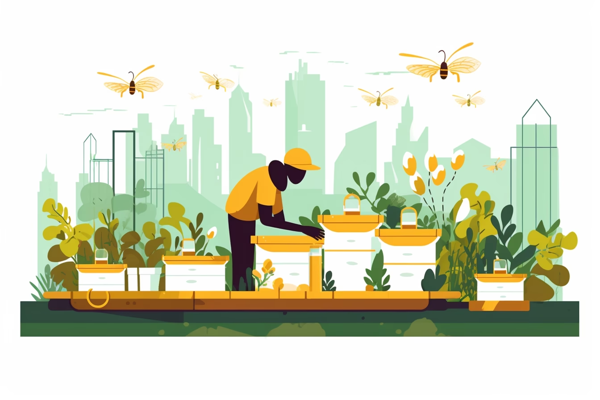




kicking_a_cow_to_move_it823 - October 03, 2023
Great guide! I never knew you could keep bees in the city. So cool! 🐝
fupa-juice - October 02, 2023
Great guide! I've always been interested in beekeeping but didn't think it was possible in the city. This has changed my mind. Thanks for the info!