The Ecological Implications of Urban Beekeeping: Balancing Honey Bees and Native Bee Species
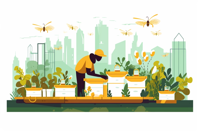
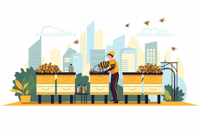
Urban beekeeping has become a popular trend in recent years, as more people recognize the importance of bees for pollination and the overall health of our ecosystems. These initiatives aim to support honey bee populations and promote pollinator health, but there are concerns about the potential negative impacts on native bee species and the delicate ecological balance. In this blog post, we will explore the ecological implications of urban beekeeping and discuss the importance of balancing the needs of honey bees and native bee species.
Honey Bees in Urban Areas
One of the reasons why urban areas are seen as favorable for honey bees is the availability of diverse plant options. Urban gardens, parks, and green spaces offer a wide variety of flowering plants, providing honey bees with a rich and varied diet. Additionally, urban areas often have less pesticide use compared to rural agricultural landscapes, reducing the risk of exposure to harmful chemicals.
This abundance of food resources and reduced pesticide exposure can contribute to the overall health and productivity of honey bee colonies in urban settings. Honey bees play a crucial role in pollination, not only for agricultural crops but also for wild plants. Their presence in urban areas can help to increase pollination rates and promote biodiversity.
The Disruption of Native Bee Diets
While honey bees thrive in urban environments, the same cannot be said for native bee species. Native bees have evolved to have specialized diets, often relying on specific plant species or groups of plants for their survival. Unlike honey bees, which are generalist foragers, native bees require specific pollen and nectar sources to meet their nutritional needs.
The presence of honey bees in urban areas can disrupt the specialized diets of native bees. As honey bees compete for the available food resources, they may outcompete native bees, potentially threatening their survival. This competition for food can have cascading effects on the overall ecosystem, as native bees play a crucial role in pollinating native plants and maintaining plant diversity.
The Spread of Pathogens
Another concern regarding urban beekeeping is the potential spread of pathogens by honey bees. Honey bees can act as carriers of various diseases and parasites, which can be transmitted to native bee species. This transmission can have detrimental effects on wild bee populations, further exacerbating the challenges they already face.
Pathogen transmission is particularly concerning in light of colony collapse disorder (CCD), a phenomenon that has decimated honey bee populations in recent years. CCD is driven by a combination of factors, including pathogens, pesticides, and reduced floral resources. The introduction of honey bees into urban areas may increase the risk of disease transmission, further contributing to the decline of both honey bees and native bees.
The Role of Urban Beekeeping Initiatives
Despite the concerns surrounding urban beekeeping, these initiatives also have their merits. Urban beekeeping raises awareness about the importance of bee conservation and the role of pollinators in our ecosystems. By engaging urban dwellers in beekeeping activities, these initiatives foster a deeper understanding and appreciation for bees and their ecological significance.
Moreover, urban beekeeping can contribute to scientific research on pollinator health. Researchers can study urban honey bee colonies to better understand the impacts of urban environments on honey bee populations and their interactions with native bees. This knowledge can inform future conservation efforts and help develop sustainable practices for urban beekeeping.
Balancing Honey Bees and Native Bee Species
To ensure a balanced and sustainable approach to urban beekeeping, it is crucial to consider the needs of both honey bees and native bee species. Limiting the number of honey bee hives in urban areas can help reduce competition for food resources and minimize the risks of disease transmission. Providing suitable nesting habitats, such as bee hotels and native plantings, can also support native bee populations and promote their survival.
Additionally, urban beekeepers should prioritize the use of sustainable and bee-friendly practices. This includes avoiding or minimizing the use of pesticides, planting native and pollinator-friendly plants, and providing a diverse range of flowering plants throughout the year to support both honey bees and native bees.
In conclusion, while urban beekeeping programs have positive intentions, it is essential to consider the potential impacts on native bee species and the delicate ecological balance. By implementing measures to limit competition, reduce disease transmission, and provide suitable habitats for native bees, urban beekeeping can be more sustainable and beneficial for all bee species. Achieving this balance will ensure the continued health and vitality of our pollinator populations and the ecosystems they support.
About the author
Amara Mendez is a passionate urban beekeeper dedicated to promoting sustainable urban agriculture. With a background in environmental science, she has spent years studying and advocating for the importance of bees in our cities. Amara believes that urban beekeeping not only helps support local ecosystems but also provides a unique opportunity for city dwellers to connect with nature and learn about the fascinating world of bees. Through her blog, she aims to share her knowledge and experiences, offering tips and guidance to aspiring urban beekeepers.
Wow, I never realized how urban beekeeping could affect native bee species! This article really opened my eyes to the ecological implications. It's crucial to find a balance that supports both honey bees and native bees. Great read!
Jewish! - October 02, 2023
Great post! I never realized the impact of urban beekeeping on native bee species. It's crucial to find a balance that supports both honey bees and our local pollinators. Thank you for shedding light on this important topic!
Alligator_on_Myspace - October 01, 2023
This article is rediculous. Why should we be keeping bees in the city? They are not native to the urban environment and it could upset the balence of the natural ecosystem. Plus, what about the native bee species? We should be focusing on protecting them instead. This whole urban beekeeping trend is just a buzzkill for our native bees.


komono - October 03, 2023
Wow, I never realized how urban beekeeping could affect native bee species! This article really opened my eyes to the ecological implications. It's crucial to find a balance that supports both honey bees and native bees. Great read!
Jewish! - October 02, 2023
Great post! I never realized the impact of urban beekeeping on native bee species. It's crucial to find a balance that supports both honey bees and our local pollinators. Thank you for shedding light on this important topic!
Alligator_on_Myspace - October 01, 2023
This article is rediculous. Why should we be keeping bees in the city? They are not native to the urban environment and it could upset the balence of the natural ecosystem. Plus, what about the native bee species? We should be focusing on protecting them instead. This whole urban beekeeping trend is just a buzzkill for our native bees.
carpethole - September 30, 2023
"Interesting read, thanks!"